Geography and Environment – Nature Thrives in the Desert
Al Ain is built with care for its land. You can tell by the tree lines that follow the roads and the irrigation systems that date back centuries. The geography gives the city character, half open plain, half mountain view. Nothing here feels forced. The design respects what was already there.
The Oasis Landscape
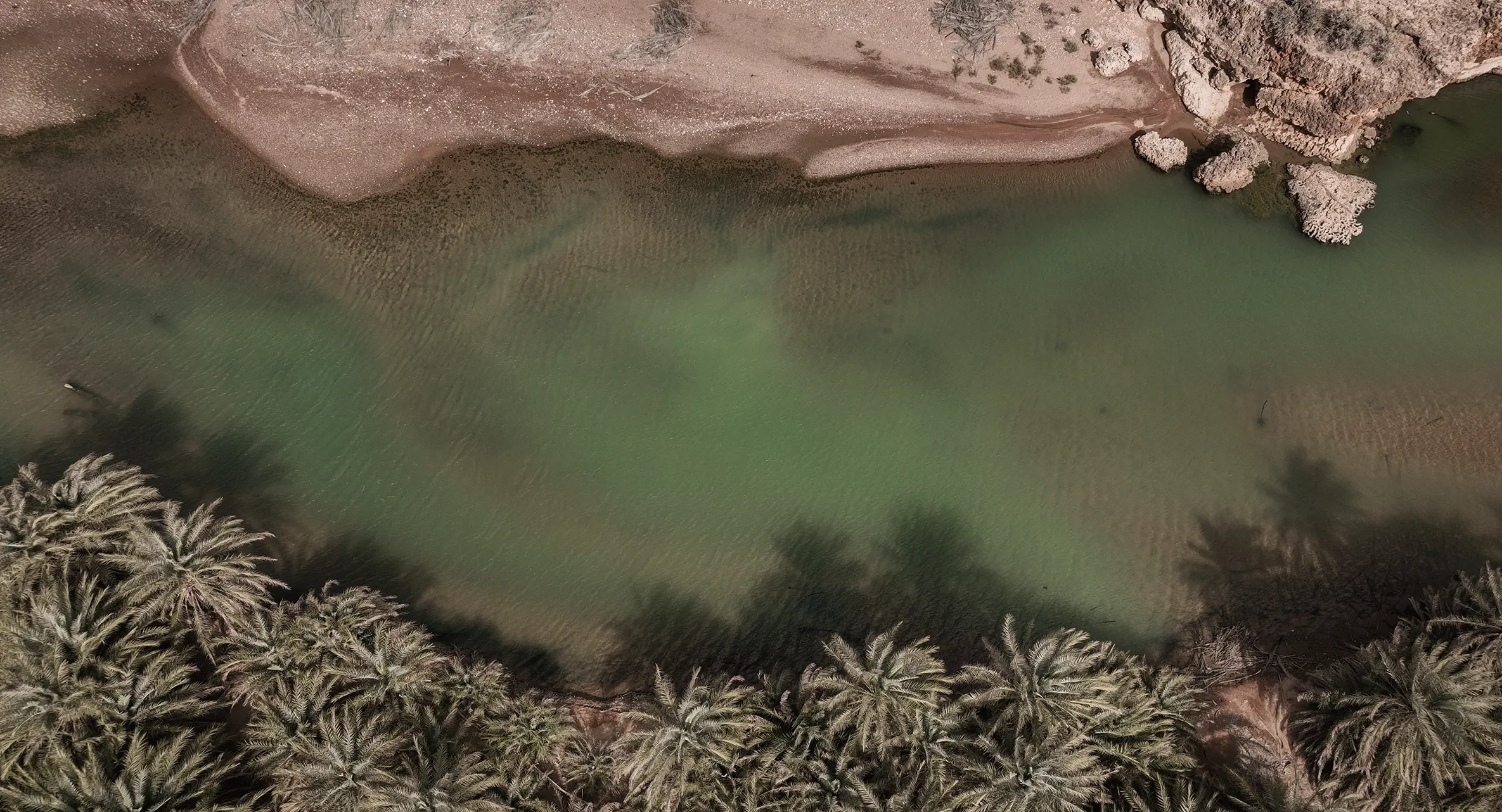
Walk through any oasis early in the day and you’ll notice a calm that eases everything around you. The palms grow tall and heavy, and narrow pathways lead between them. The old Falaj irrigation system still carries water through underground channels. It’s an ancient method, but still reliable. Farmers rely on it the same way their grandparents did, and it keeps the gardens alive all year.
These oases are among the most visited Al Ain attractions. Families come to sit under the trees, school groups walk the trails, and visitors take photos that capture a softer side of the UAE. The city never forgot that its life began here, between the green patches and old wells.
Jebel Hafeet and Green Mubazzarah
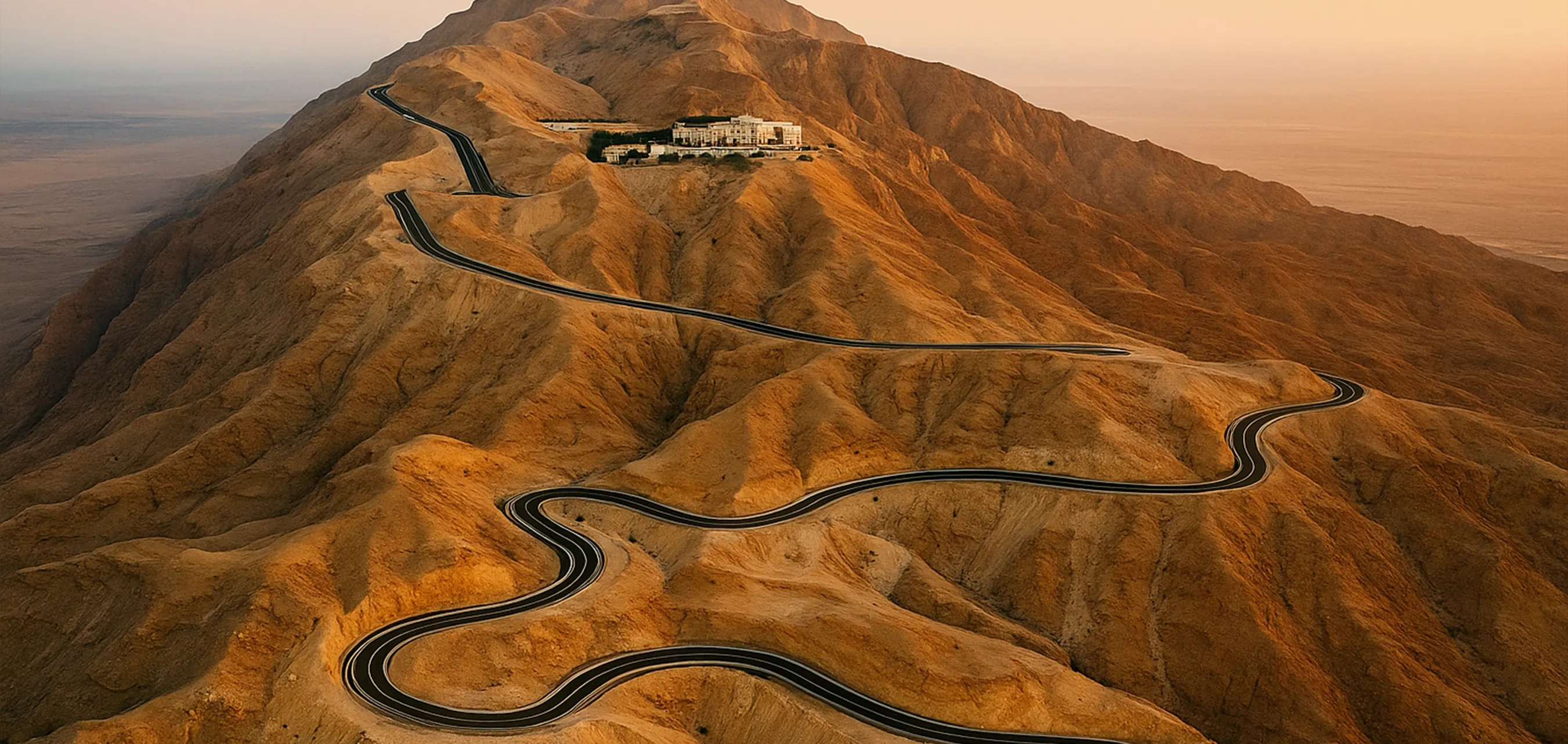
Look up from anywhere in Al Ain and you’ll see Jebel Hafeet, standing like a landmark that never fades. The drive to the top curves smoothly, revealing a city that stretches far but never feels crowded. It’s part of almost every Al Ain neighborhood guide, mentioned as both a viewpoint and a piece of identity.
At the bottom sits Green Mubazzarah, where families spend their weekends. There are grassy slopes, walking paths, and small water channels that cool the air. Children run across open lawns while parents sit under shaded shelters. The mix of calm, order, and open space sums up the Al Ain lifestyle.
Climate and Lifestyle
The city stays bright most of the year. Morning light comes soft through the palms, and evenings cool quickly once the sun lowers. Architecture adjusts to it: courtyards, shaded corridors, white façades. Urban plans include wide pavements and planted medians so people can move comfortably outside.
Because of this, outdoor life never feels forced. Joggers circle parks, families meet in cafés with outdoor seating, and school events often take place outdoors.
History and Culture – The Cradle of Emirati Heritage
Al Ain isn’t new wealth; it’s old wisdom. Long before modern towers appeared, this city was already a hub for trade, farming, and governance. Its roots still hold steady, and that’s what gives it weight.
UNESCO World Heritage Sites
UNESCO recognised the Cultural Sites of Al Ain for a reason. The oases, Hafit, Hili, and Bidaa Bint Saud areas contain traces of ancient settlements, tombs, wells, and tools that tell stories from thousands of years ago. These aren’t just ruins; they are parts of the city’s living record.
For those exploring things to do in Al Ain, visiting these sites brings perspective. They stand open to the public, cleanly preserved, and quietly powerful. The city was built around them, not over them.
Historic Forts and Museums
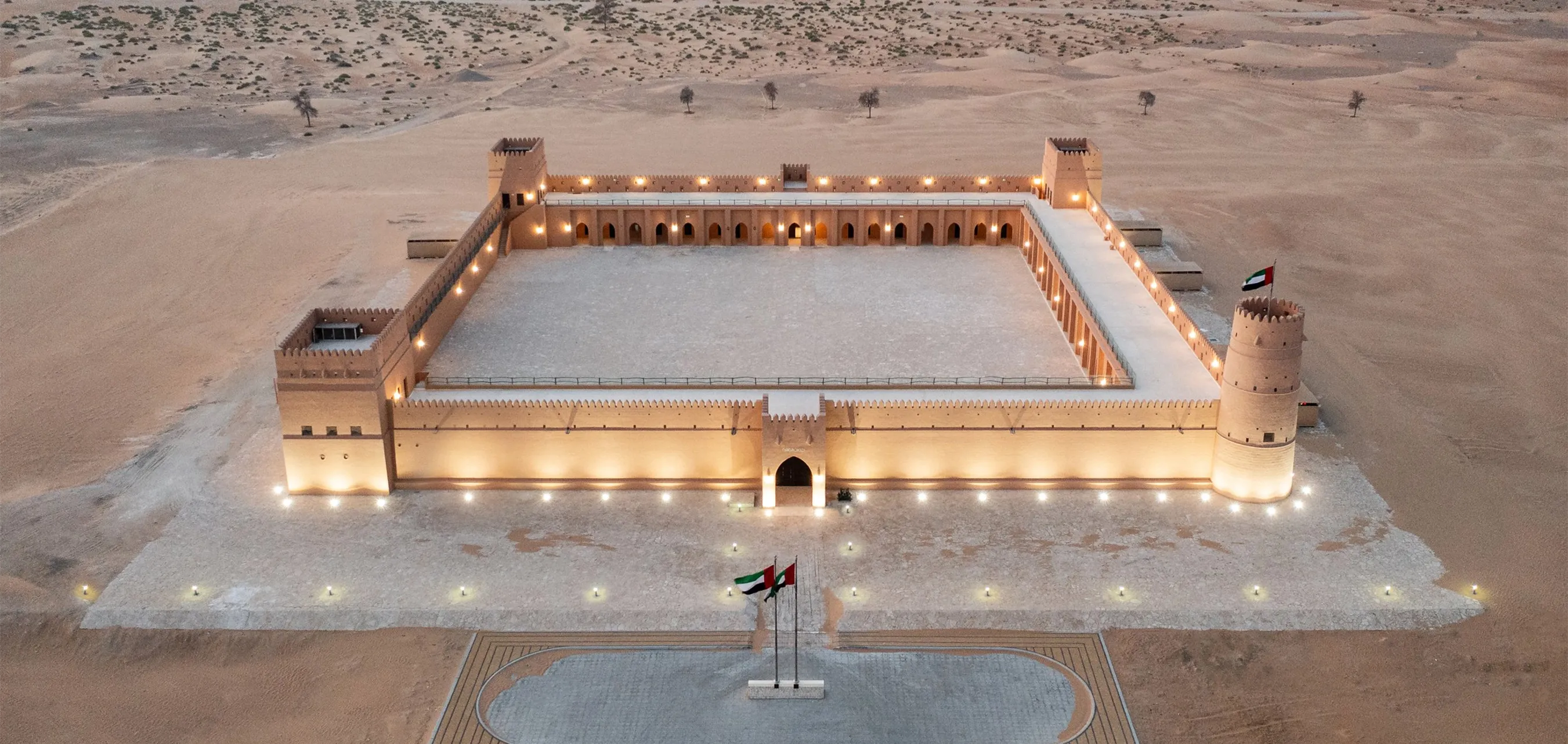
History stays visible here. Al Jahili Fort still looks strong, its sand-colored walls thick and commanding. It was built to protect and now stands as a museum and event space. Al Ain Palace Museum, once home to Sheikh Zayed bin Sultan Al Nahyan, gives a glimpse into the private side of leadership. Then there’s Hili Archaeological Park, full of relics and circular tombs, and Al Ain National Museum, which keeps the story intact.
Together, they hold what makes Al Ain respected, endurance. Every site connects to another, and visitors walk away understanding that the city has always been built on patience and purpose.
Living Culture
The cultural side of Al Ain doesn’t need revival because it never disappeared. Craft markets still sell woven baskets and clay pots. The art scene continues through exhibitions at Al Qattara Arts Centre. Heritage festivals draw crowds who watch camel races and listen to traditional music.
These customs aren’t nostalgia, they’re routine. That’s why the Al Ain lifestyle feels genuine. You can sense pride in how people greet each other, how markets operate, and how the city protects what it values.
Neighborhoods and Residential Living
Al Ain’s residential planning keeps balance at its core. Neighborhoods are spread out with green spaces, schools, and shops positioned to reduce daily travel. The city has found a way to grow without losing order.
Main Residential Districts
The key neighborhoods include Asharej, Central District, Hili, Al Qattara, Bida Bin Ammar, and Mreifia.
• Asharej: modern, practical, known for family housing and nearby schools.
• Central District: government offices, main markets, and city services.
• Hili: green area close to heritage sites and parks.
• Al Qattara: culture-rich with art centres and restored buildings.
• Bida Bin Ammar and Mreifia: expanding suburbs with new projects.
These areas form the living core of the city, featured prominently in any Al Ain neighborhood guide used by newcomers and investors.
Lifestyle in Asharej – The Heart of Modern Al Ain
Asharej represents the modern face of Al Ain. It’s the kind of neighborhood that balances work and rest neatly. Roads stay clear, schools are closed, and the presence of hospitals makes it practical for families. On weekends, you’ll see people walking along tree-lined paths, children cycling, and parents chatting by small coffee kiosks.
The design keeps everything accessible. That’s why many professionals and educators choose to stay here. It’s simple, efficient, and peaceful, exactly what most people imagine when they picture living in Al Ain.
Lifestyle and Amenities – A Family-Centric City
If one word describes Al Ain, it’s livable. Services are evenly distributed, and life feels structured yet easy. The city was planned for families, and that shows in every corner.
Parks and Green Spaces
Green areas form the heartbeat of Al Ain. Parks are kept spotless and secure. The largest is Al Ain Oasis, followed by smaller gardens scattered across districts. Green Mubazzarah and Al Jahili Park stay popular throughout the week.
| Park / Area | Feature | Experience |
|---|---|---|
| Al Ain Oasis | Shaded Palm paths | Cultural and Nature walk |
| Green Mubazzarah | Springs, Lawns | Family Picnics |
| Hili Park | Playgrounds | Children's Zone |
| Al Jahili Park | Central Garden | Relaxation |
| District Parks | Jogging Routes | Evening Fitness |
These places define community life. You’ll often see families gathering after work, kids playing as the evening lights cast a warm glow, and residents using the walkways daily. It’s simple but meaningful; that’s the real Al Ain lifestyle.
Shopping and Dining
Shopping feels steady, not extravagant. Al Ain Mall, and Al Jimi Mall lead retail. Small grocers and fresh markets fill the rest. The older souks still run strong with stalls selling dates, spices, and fabrics.
Dining is equally balanced. Emirati restaurants serve local dishes along with a variety of Lebanese, Indian, and continental kitchens. Cafés stay full in the evenings, with the soft sound of conversation filling the open terraces. It’s routine, but pleasant, like everything in this city.
Education and Healthcare
Education and healthcare are reasons families stay long-term. UAE University anchors higher education in the city. Dozens of international schools handle expat curricula. Hospitals such as Tawam Hospital and Al Ain Hospital maintain top standards. Clinics are spread across neighborhoods for easy access.
It’s an ecosystem that supports stability. People here rarely move away because life feels settled and dependable.
Transport and Connectivity
The E22 highway connects Al Ain directly to Abu Dhabi, keeping travel time short. Bus routes cross the city frequently, and Al Ain International Airport handles domestic and regional flights. Everything stays within reasonable reach.
Traffic is light, roads are clean, and planning leaves room for future growth. These features keep the city ready for expansion without chaos.
Tourism and Leisure – Where Heritage Meets Adventure
Tourism in Al Ain works differently. It’s not built around speed or luxury but experience. The charm lies in its balance between nature, culture, and family activities.
Natural Attractions
Among the top Al Ain attractions are Jebel Hafeet, Al Ain Oasis, and Green Mubazzarah. Each carries its own rhythm: the mountain for views, the oasis for peace, and the park for family days. These spots remind visitors why Al Ain is still called the Garden City.
Family Fun & Recreation
Families never run short of things to do in Al Ain. Al Ain Zoo remains one of the region’s best, offering wide enclosures and educational programs. Hili Fun City stays busy during weekends, and Al Ain Adventure draws people looking for water sports and outdoor fun.
Each location reflects careful planning and entertainment without excess. That consistency keeps both locals and tourists returning.
Cultural & Historical Venues
Heritage never feels distant here. Al Qattara Arts Centre hosts exhibitions; Qasr Al Muwaiji tells royal family stories; Al Jahili Fort adds seasonal events.
These institutions attract both tourists and long-term residents who like to reconnect with history after work.
Outdoor Activities
Cycling tracks, desert drives, and hiking routes around Jebel Hafeet all remain active most months. Residents often plan short day trips without leaving city limits. The accessibility of outdoor recreation continues to define the Al Ain lifestyle.
Practical Tips for Residents and Visitors
Newcomers notice order first. Streets are numbered clearly, signage is bilingual, and communities are structured for daily convenience.
Culture, Customs, and Safety
Respect is natural here. Modest clothing, polite greetings, and community care are norms. Alcohol is limited to licensed venues. The city stays consistently safe, which adds to its appeal for families and newcomers.
Living Essentials
Utilities work smoothly. Electricity, water, and waste systems are efficient, with digital billing options. Cleanliness is a community habit rather than a rule. Every day errands, banking, grocery, and the post office rarely take long.
Best Time to Visit
Between October and March, the city experiences a surge in visitors. Outdoor spaces host events, festivals, and cultural programs. Those months bring the city’s beauty into full view, showing why so many list it high among the things to do in Al Ain.
To help you settle in and find a home that reflects this calm spirit, Relaam brings its expertise. We manage a wide range of properties across Al Ain with care and attention, ensuring reliable service and a comfortable living experience.
As Relaam, we provide leasing and property management services in Al Ain. Whether you're settling in or simply looking for a home that reflects this calm spirit, our team is here to guide you with care and expertise. If you're comparing regions across the UAE, it is worth taking a look at Al Dhafra and Sharjah as well.