Overview of Sharjah
Sharjah today stands as one of the most stable and organised emirates in the UAE. Many families prefer Sharjah because the lifestyle is peaceful, the rules are clear, and the city keeps growing at a steady speed.
The emirate’s population has increased over the years due to its affordable neighbourhoods and the presence of major education clusters. In addition, the real estate activity remains strong since thousands of residents working in Dubai prefer Sharjah neighborhoods for better annual savings.
Moreover, the local economy moves through trade, manufacturing, aviation services, and free zones like SAIF Zone and Hamriyah Free Zone. As the emirate positions itself as a long-term cultural hub, infrastructure and public services have kept improving year after year.
Key Stats & Facts
• The population is estimated at around 1.8 million, with a steady mix of families, students, and working professionals.
• Sharjah real estate market activity remains active. The emirate holds UNESCO Cultural Capital recognition, shaping much of its identity through arts, education, and restored historical districts.
Neighborhoods in Sharjah
Most Popular Areas – Al Majaz, Al Nahda, Al Qasimia, Muwaileh
When people search for the best areas to live in Sharjah, these four neighbourhoods are frequently suggested. They offer mixed housing options, direct access to Sharjah transport routes, nearby schools and easy day-to-day convenience.
Before diving deeper, look at this overview table that helps you compare some of the top neighbourhoods in Sharjah.
Comparison Table of Top Neighborhoods
| Sharjah Neighborhood | Key Amenities | Approx. Commute Time to Dubai (off-peak) |
|---|---|---|
| Al Majaz | Waterfront, parks, restaurants, Sharjah schools nearby | 18–25 minutes |
| Al Nahda | Border access, supermarkets, hospitals | 10–18 minutes |
| Al Qasimia | Central market area, clinics, budget apartments | 20–28 minutes |
| Muwaileh | University City, new towers, SRTA bus routes | 15–22 minutes |
| Al Taawun | Lagoon view, malls, mixed-use buildings | 12–20 minutes |
| Al Khan | Beach access, coastal paths, leisure spots | 15–24 minutes |
• Al Majaz attracts families who want waterfront parks and daily activities around the lagoon.
• Al Nahda suits commuters because the Dubai border sits very close.
• Al Qasimia stays popular among budget conscious tenants.
• Muwaileh works very well for students due to the University of Sharjah, AUS and large residential clusters.
Family-Friendly Communities – Al Majaz Waterfront, Al Falaj & Halwan Suburb
Families with school-going children usually check neighbourhoods with parks, calm roads and nearby Sharjah hospitals. Al Majaz Waterfront offers walking tracks, play zones, water shows and a clean environment. Because schools and clinics sit around the area, parents save time during morning travel.
Meanwhile, Al Falaj and Halwan Suburb suit families who want villas or larger apartments. The streets remain wider, and the neighbourhoods feel quieter. These areas attract long-term residents looking for privacy, greenery and well-balanced community life.
Commuter Belts – Al Nahda, Al Taawun
A huge share of Sharjah’s population travels to Dubai every day. Due to this, Al Nahda and Al Taawun stay in high demand. Both neighbourhoods sit close to Al Ittihad Road and key Dubai entry points. Residents choose these belts because they reduce stress during morning travel. Traffic increases during peak hours, yet the location advantage helps people reach their office on time if they plan slightly early.
Budget-Friendly Districts – Abu Shagara, Industrial Areas
Cost-focused tenants usually filter their search towards Abu Shagara or Sharjah Industrial Area. Abu Shagara offers older but spacious apartments. The neighbourhood stays busy with shops, service centres and small restaurants. Grocery stores and pharmacies remain close by, so daily life becomes simple for bachelors and small families.
Sharjah Industrial Areas 1–18 offer the lowest rents, especially for staff housing. Still, these areas stay crowded with workshops and transport activity. People who prefer convenience over ambience often pick these districts.
Emerging & Niche Areas – Al Khan, Al Layyah, Dibba Al Hisn
Some areas gain attention because of unique lifestyle elements. Al Khan provides beach access, waterfront paths and modern apartments. Many people choose it for relaxed evenings and open spaces. Al Layyah sits near coastal zones and upcoming waterfront projects. It attracts residents who enjoy a peaceful environment without moving far from the city.
Dibba Al Hisn sits away from central Sharjah and offers nature, coastal stretches and heritage spaces. It suits residents who enjoy quieter surroundings with community-driven living.
Transportation & Connectivity
Public Transport – SRTA buses, routes, fares
• SRTA operates a large network of buses covering major Sharjah neighborhoods, industrial zones, the airport corridor, and Dubai border points.
• Routes follow fixed schedules, which helps reduce waiting time and gives commuters predictable travel patterns.
• Many residents depend on SRTA buses because parking remains limited in crowded areas and bus fares stay stable.
• These buses offer a practical option for daily movement, especially for workers avoiding peak-hour parking stress.
Road Network & Dubai Commute – Key highways (E11, E311), peak-hour tips
• Al Sharjah connects to Dubai mainly through E11 (Ittihad Road) and E311 (Mohammed Bin Zayed Road).
• Both highways become busy during morning and evening office peaks, leading to slow movement near border points.
• Areas like Al Nahda, Al Taawun, and Muwaileh remain popular because they offer faster entry onto these routes.
• Many commuters manage the rush by adjusting departure times or using inner-city roads to reduce delays.
Airport & Free Zones – Sharjah International Airport, SAIF Zone, Hamriyah Free Zone access
• Sharjah International Airport supports passengers, cargo handling, and aviation-related employment.
• Its central location allows short travel times from most residential districts.
• SAIF Zone and Hamriyah Free Zone attract industrial, logistics and trade businesses, creating steady job demand.
• Workers employed in these hubs usually pick Muwaileh, Al Qasimia, or Al Nahda for shorter daily commutes.
Parking Zones & Fees – Blue, Green, Orange zone rules and payment methods
Parking in Al Sharjah follows a structured zone system. Many new residents compare zones before finalising a neighbourhood. Below table helps understand general patterns.
Parking Zones Overview
| Zone Type | Hours | Rate per Hour | Payment Method |
|---|---|---|---|
| Blue Zone | 8 AM – 12 AM | AED 2–3 | SMS 5566, machines, Sharjah Parking app |
| Green Zone | Standard working hours | Low to moderate | Machines, SMS |
| Orange Zone | Limited-use areas | Varies by locality | Machines, SMS |
Blue zones remain premium because they sit in commercial areas with heavy movement.
Amenities & Services
Education – Nurseries, schools, top universities
Al Sharjah hosts a wide range of Indian, British and international curriculum schools. Many nurseries sit in Al Majaz, Al Qasimia, Al Nahda and Muwaileh. University City remains one of the largest education districts in the region, housing the University of Sharjah, American University of Sharjah (AUS) and several specialised colleges. Because of this, student housing demand stays steady in Muwaileh and nearby areas.
Healthcare – Major hospitals, clinics, specialty centers
Sharjah hospitals and clinics remain well distributed across the city. Residents prefer neighbourhoods where clinics sit within walking distance. Major healthcare centres provide paediatrics, cardiology, general medicine and emergency services. Families often choose Al Majaz, Al Khan and Al Qasimia because of easier access.
Shopping & Malls – Blue Souk, Sahara Centre, Mega Mall
Shopping options remain diverse. Blue Souk offers traditional market shopping. Sahara Centre remains popular for entertainment, dining and branded stores. Mega Mall sits in the central zone and gets busy during evenings. Many smaller community malls sit in Muwaileh, Al Nahda and Al Khan for easy everyday access.
Dining & Cafés – Local eateries, cafes, fusion cuisine hotspots
Sharjah’s dining scene has grown quickly. Indian restaurants, Arabic grills, bakeries, cafes and fusion outlets are popular across busy neighbourhoods. Al Majaz Waterfront remains a favourite for family dinners. Students prefer Muwaileh cafes due to calm setups and long working hours. The dining cost stays reasonable in most places.
Recreation & Attractions – Museums, parks, islands, desert tours
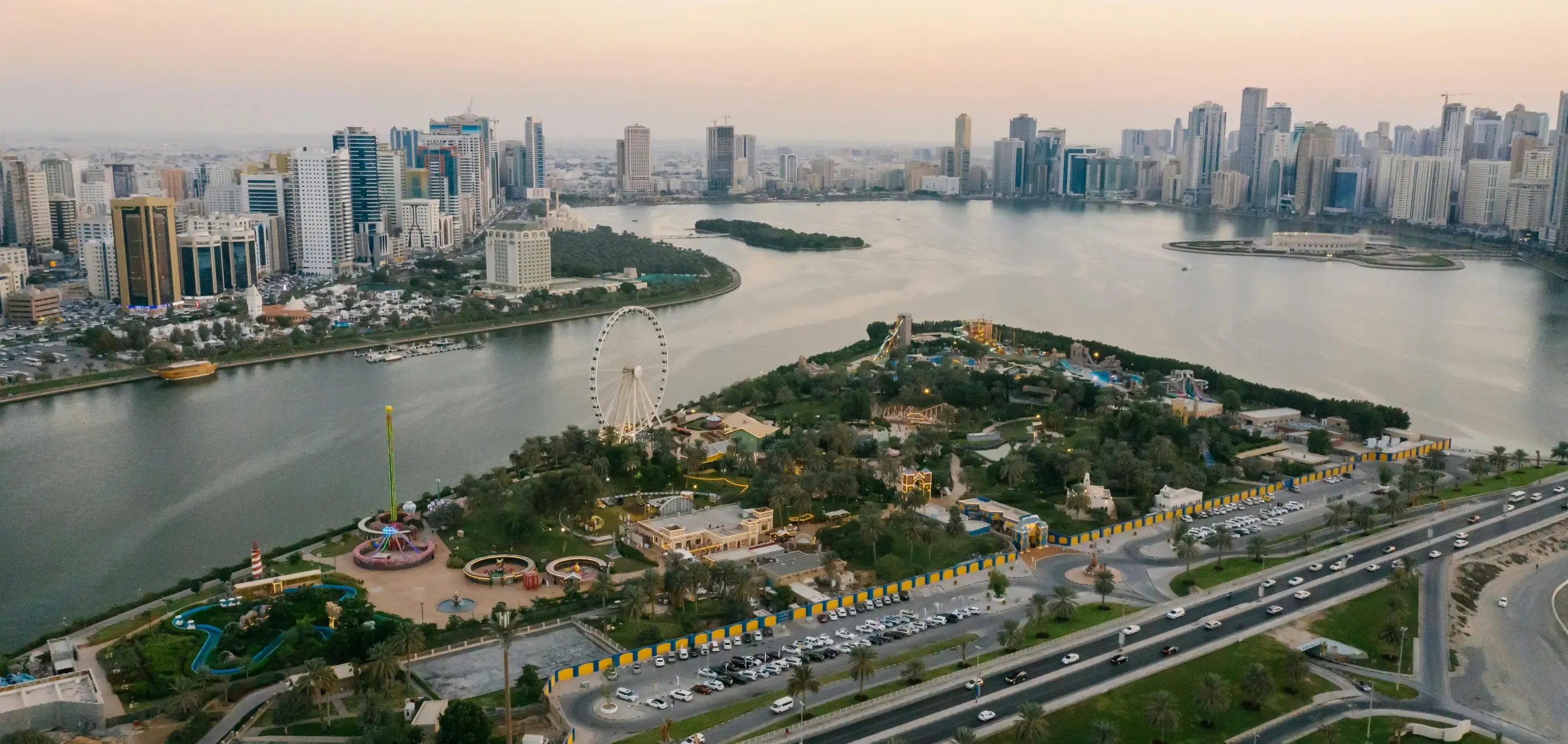
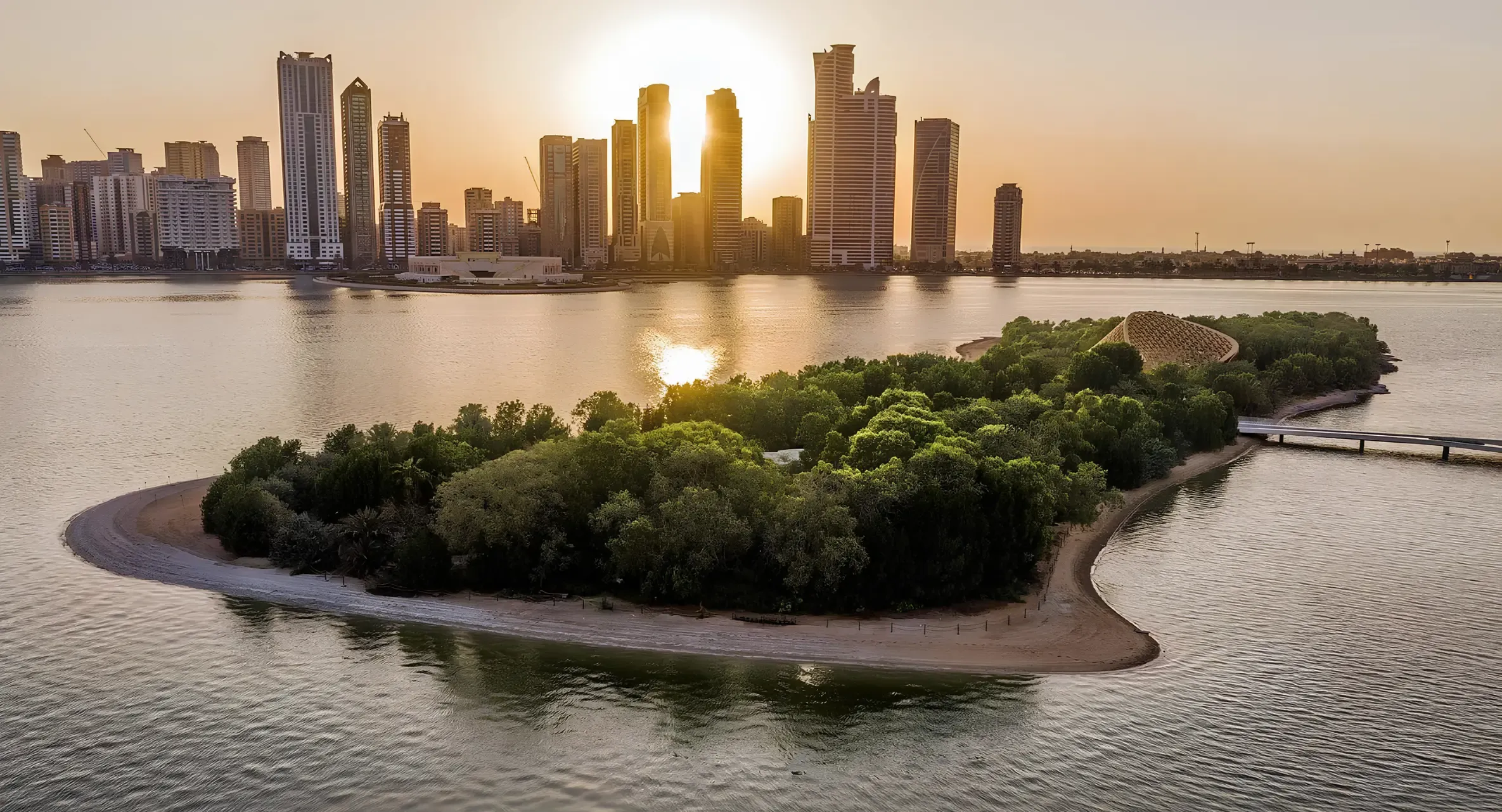
Sharjah attractions include Al Noor Island, museums along the heritage district, public parks and beachfront cycling paths. Families spend weekends at Al Majaz Waterfront, Al Khan beach or desert tour spots. Recreation remains a major reason why many families settle in Sharjah neighborhoods for the long term.
Real Estate Market Insights
Residential Communities – Villas vs apartments, lease norms, rental yields
Residential choices range from low-rise apartments to large villas. Apartments remain common in Al Majaz, Al Qasimia and Al Nahda, while villas remain common in Al Falaj and Halwan Suburb. Sharjah lease agreements follow a yearly format. Tenants must complete attestation for valid contracts.
During 1 November to 31 December 2025, tenants with lease contracts expired before 19 September 2024 can receive 50% reduction in authentication fees along with a full waiver of administrative fines for residential, commercial and industrial leasing. This policy helps many families update documents without stress.
Industrial Zones – Sharjah Industrial Areas 1–18 overview
Sharjah Industrial Area remains one of the oldest and busiest industrial belts in the UAE. The zones run from Industrial Area 1 to 18 and host manufacturing units, auto workshops, trading companies and logistics firms. Many businesses prefer these districts because of their access to highways and free zones.
Investment Advantages – Affordability, government incentives, growth stats
The Al Sharjah real estate market continues to attract investors because property prices remain lower than Dubai while rental demand stays steady. Many long-term expatriates choose Sharjah villas and Sharjah apartments for stable living. The city’s focus on community spaces, cultural projects and public transportation upgrades encourages continuous housing demand.
UNESCO Cultural Capital & “Dry” Emirate – Heritage focus and alcohol ban implications
Sharjah holds the reputation of a UNESCO Cultural Capital because the city protects arts, heritage and literature at a large scale. Unlike some other emirates, Sharjah follows traditional values and continues to maintain a full alcohol ban, which often shapes resident expectations.
Because of this rule, community life focuses more on family activities, cultural programs, museums, festivals and waterfront events. Shopping spaces, parks and dining zones host families till late evening, and the overall environment stays safe for daily life. Visitors who want quiet surroundings often find Sharjah suitable for relaxed weekends and longer stays.
As Relaam, we provide leasing and property management services across Sharjah. Whether you're settling in or growing a business here, our team helps you find the right space and takes care of the process every step of the way. If you're comparing regions across the UAE, it is worth taking a look at Al Ain and Al Dhafra as well.