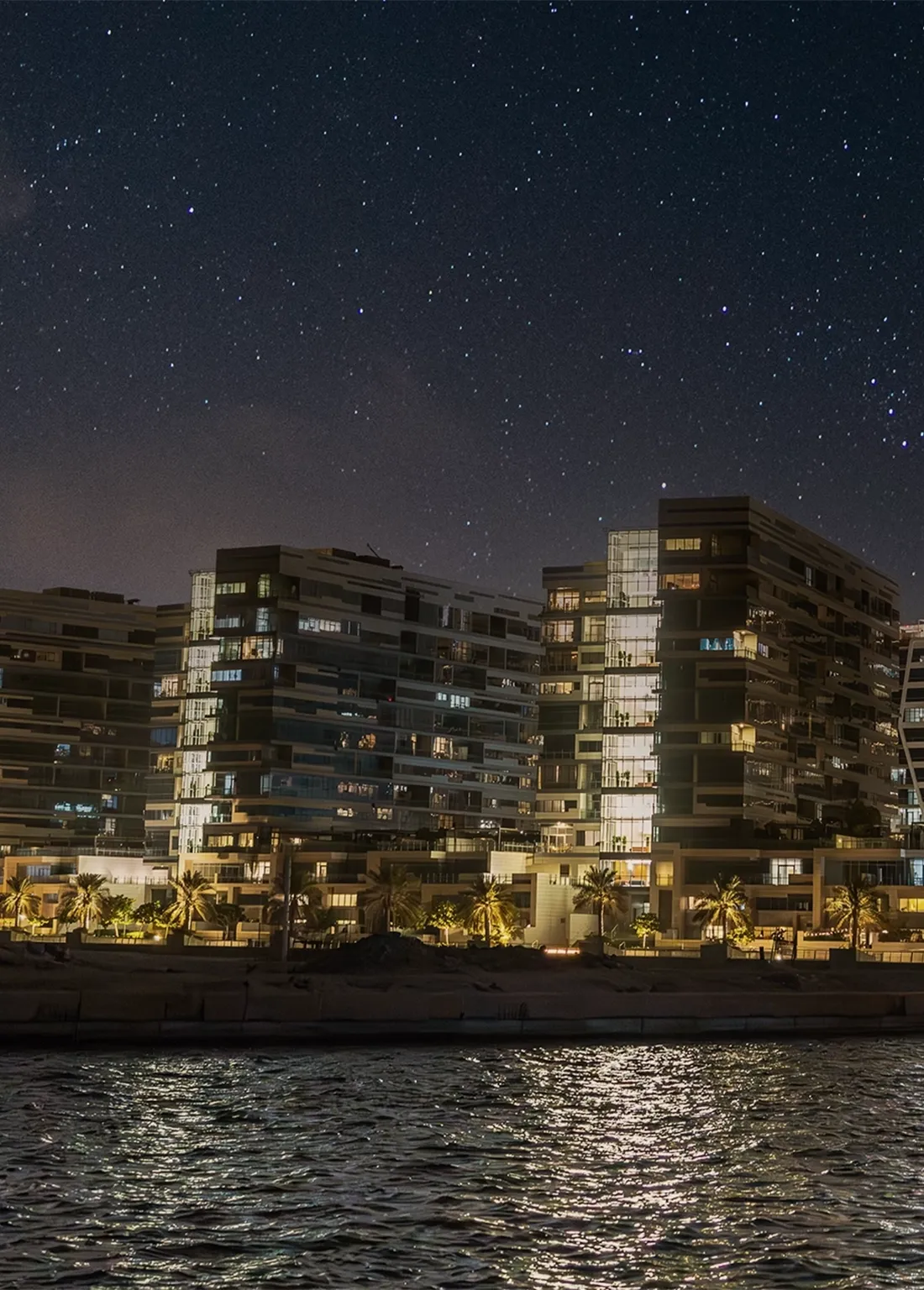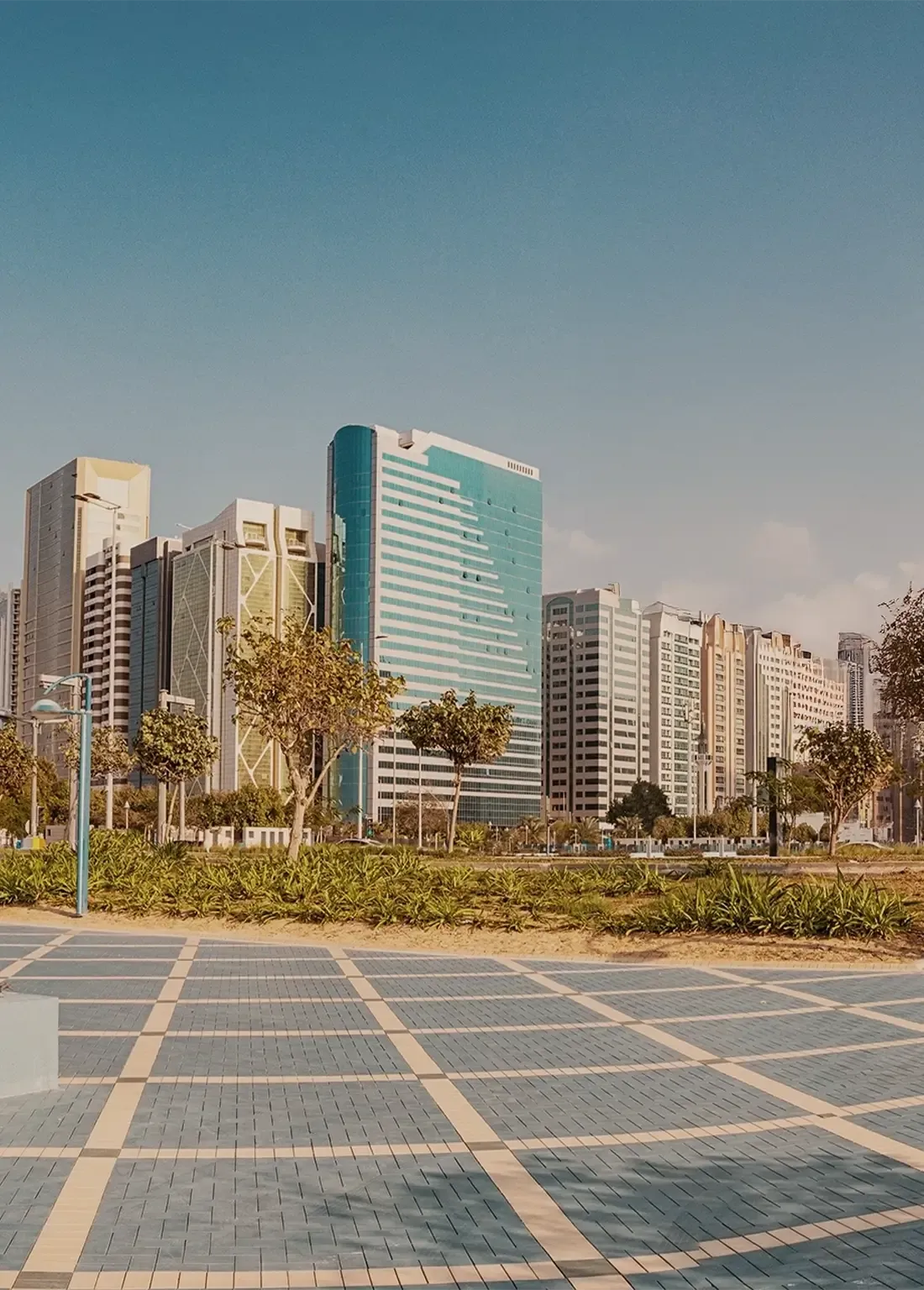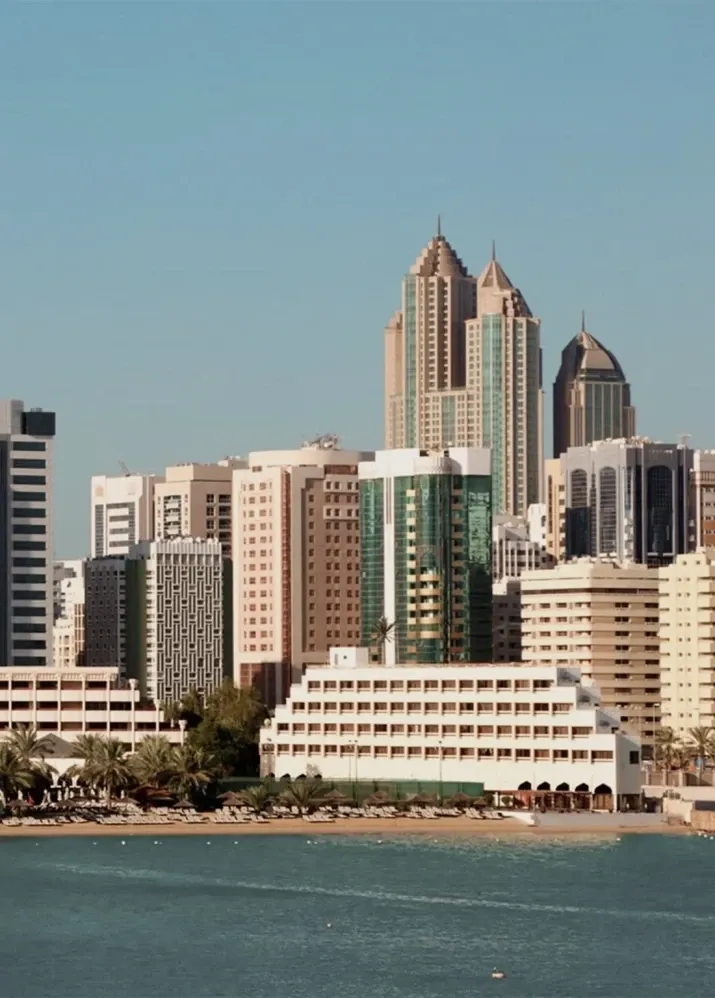
HIGHLIGHTS: A QUICK SNAPSHOT OF AL MANHAL’S KEY FEATURES
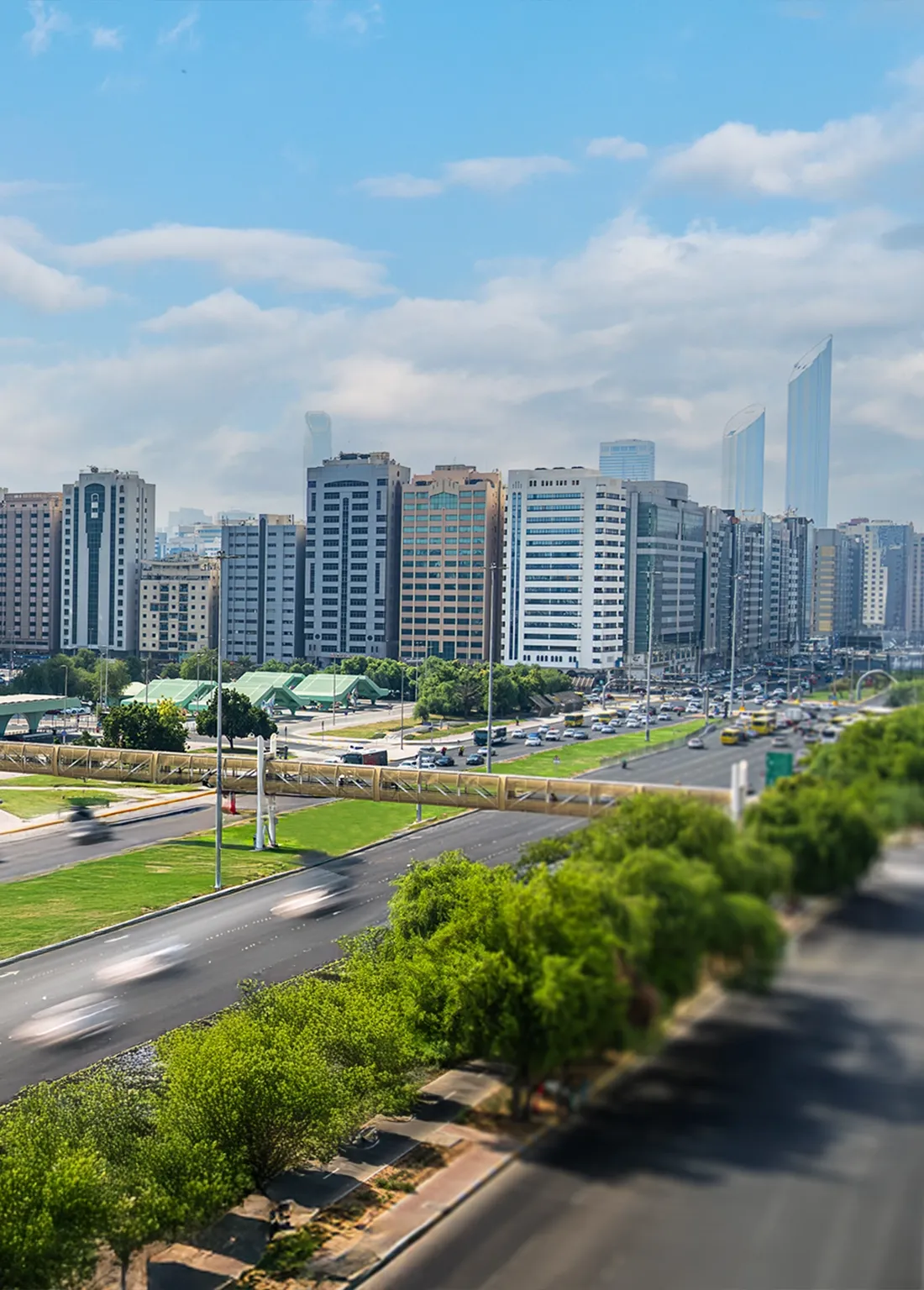
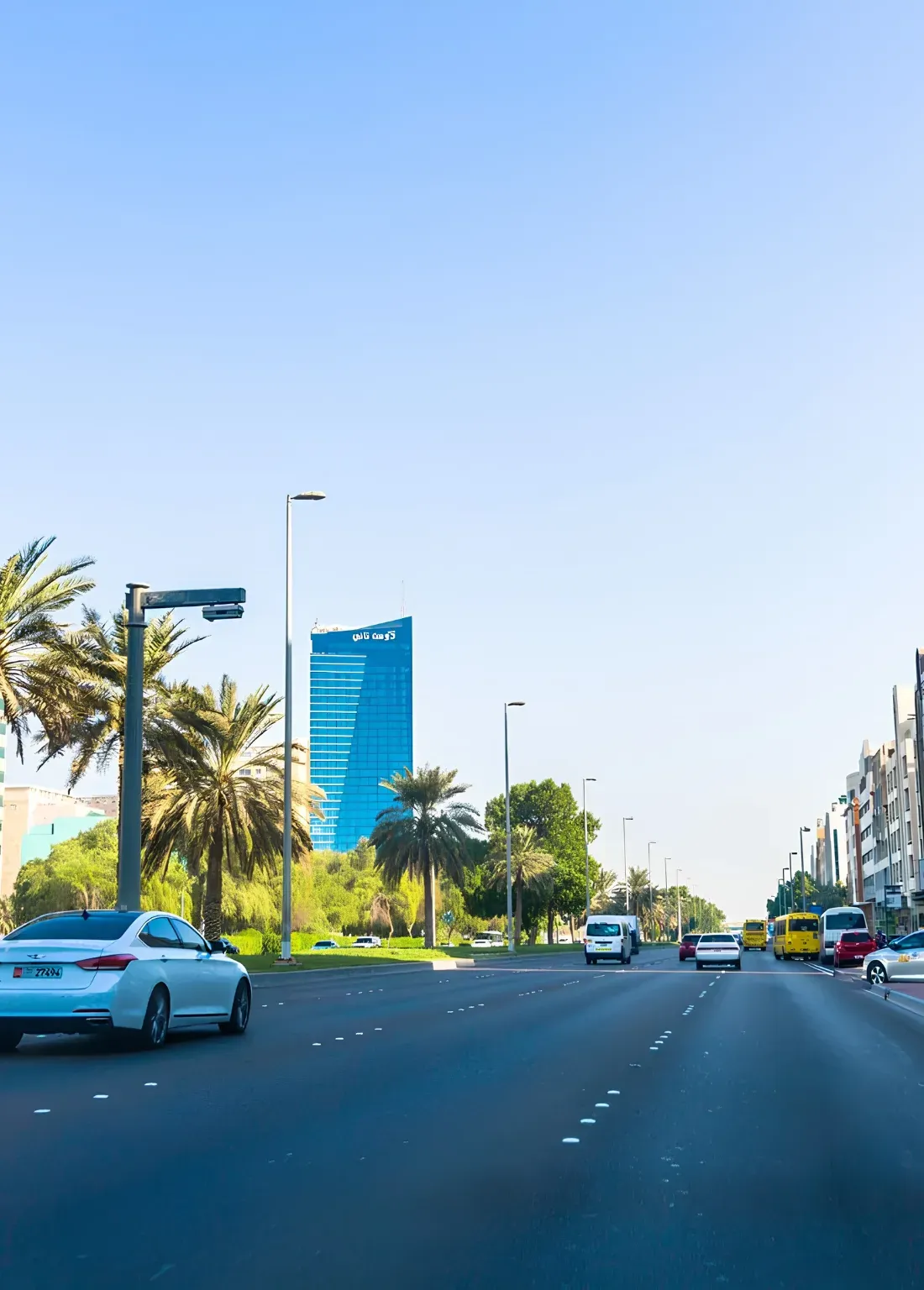
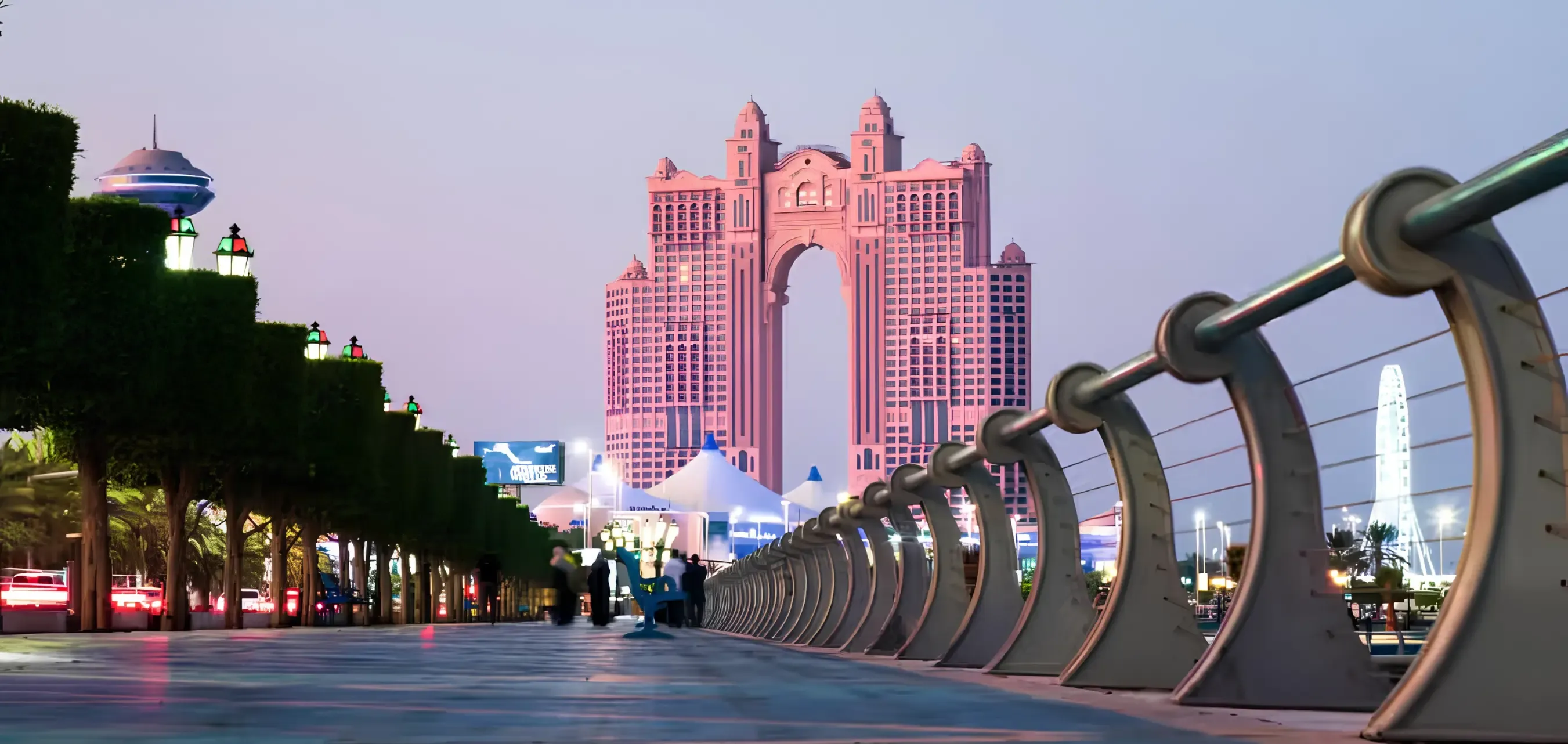
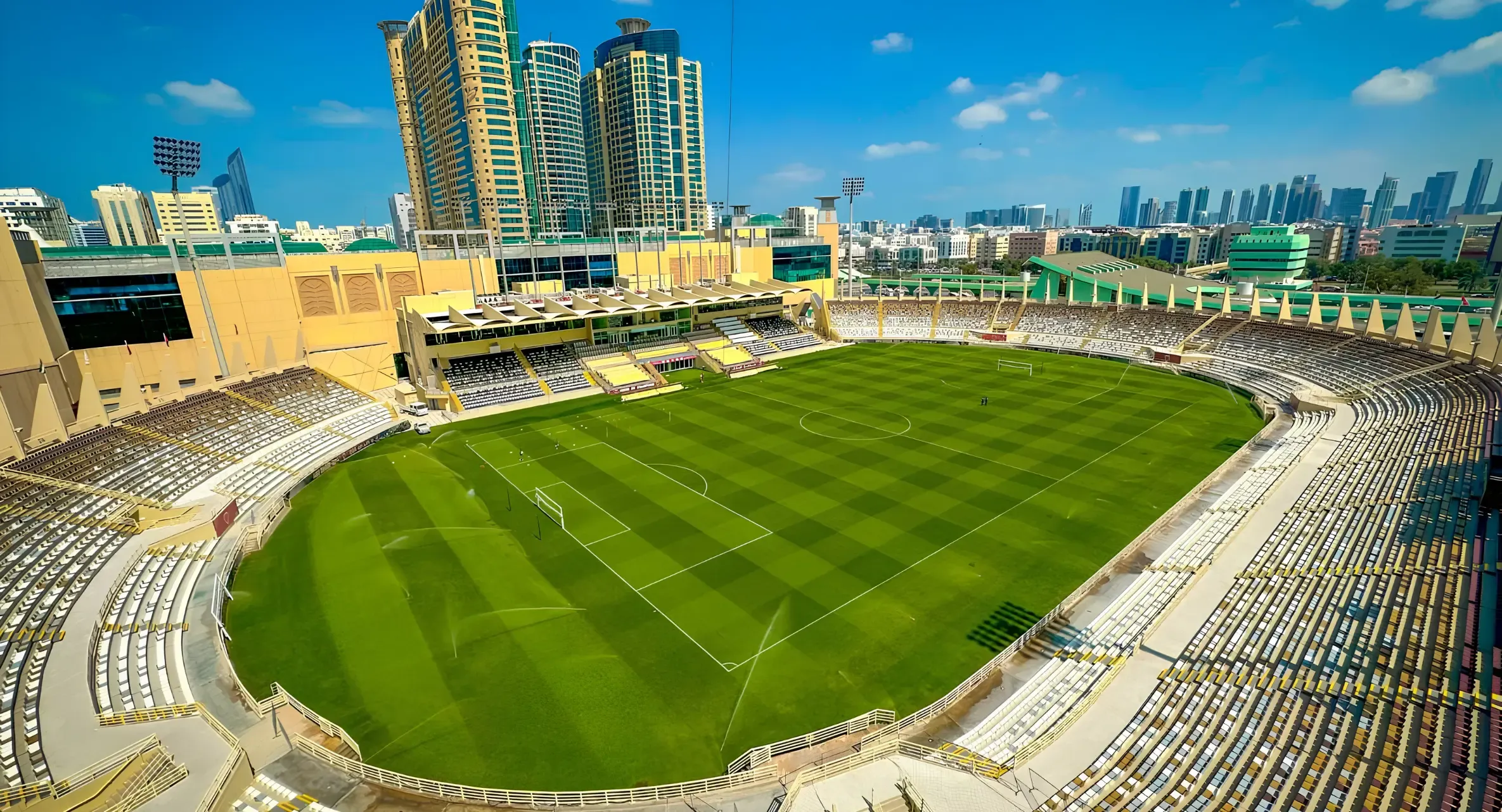
Al Manhal operates as a central residential neighbourhood with lower-rise character and consistent access to major Abu Dhabi corridors. It supports practical daily life, which is why many residents choose it for routine living rather than publicity. At the same time, the area carries cultural value through its palace association and nearby landmark routes.
AT A GLANCE: KEY SELLING POINTS
• Central positioning near Al Wahda and Downtown Abu Dhabi
• Mix of Al Manhal apartments and villa streets, with quieter internal pockets
• Direct access to hospital networks and everyday services
• Cultural reference points linked to Al Manhal Palace
• Suitable for family living, while also working well for corporate tenants
AMENITIES, LOCATION, AND LIFESTYLE
• Lifestyle: steady residential pace, simple errands, short drives to leisure
• Shopping: Al Wahda Mall, supermarkets, pharmacies, service shops
• Healthcare: Sheikh Khalifa Medical City, Burjeel Hospital, NMC Specialty Hospital Abu Dhabi
• Education: The British School Al Khubairat, Lycée Louis Massignon, Al Bateen Academy
• Hotels: Centro Al Manhal by Rotana, Marriott Hotel Downtown Abu Dhabi, Sofitel Abu Dhabi Corniche
ABOUT AL MANHAL: HISTORY, GEOGRAPHY, AND SIGNIFICANCE
Al Manhal developed within Abu Dhabi’s central belt, where established residential blocks meet civic and commercial routes. Because of that, the district often feels stable and familiar to residents, especially those who prefer predictable access patterns. In addition, Al Manhal’s name and identity connect to heritage and leadership history, which continues to shape how people describe the area.
LOCATION & BOUNDARIES: MAP CONTEXT AND NEIGHBOURING DISTRICTS
Al Manhal remains close to Al Wahda and the wider Downtown Abu Dhabi grid, with Corniche access reached through short city drives. It also links Al Khalidiyah and Al Bateen corridors. As a result, residents can plan daily life without long cross-city travel.
Nearby reference districts that frequently come up in searches and viewing plans include:
• Al Wahda (retail and transport corridors)
• Downtown Abu Dhabi (work and services)
• Corniche (beaches and waterfront routes)
HISTORICAL SIGNIFICANCE: AL MANHAL PALACE AND HERITAGE LINKS
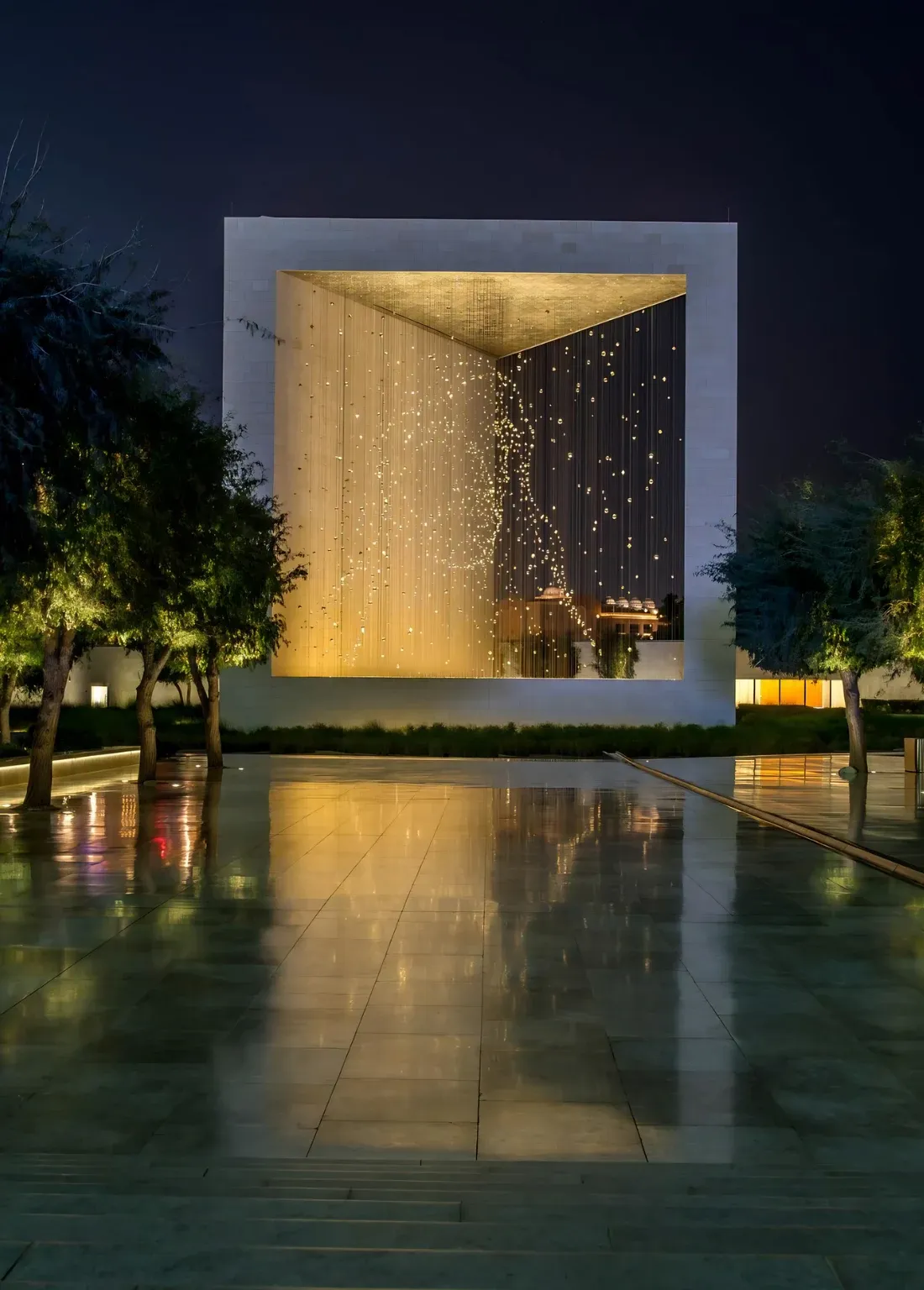
Al Manhal Palace holds symbolic value and is linked to Abu Dhabi’s leadership history, including Sheikh Zayed bin Sultan Al Nahyan. Even where access remains controlled, the palace remains a defining local reference. It also explains why the district carries a formal, central identity compared with newer residential zones.
NEIGHBOURHOOD & REAL ESTATE: COMMUNITY VIBE AND MARKET OVERVIEW
Al Manhal appeals to residents who want city access while keeping a neighbourhood feel. The area does not rely on high-rise intensity across every block. Instead, it blends apartment buildings with villa streets, and that mix broadens the resident profile.
COMMUNITY ATMOSPHERE: SPORTS, GREEN SPACE, AND WALKABILITY
Al Manhal supports short walks for small errands in many parts of the district, while larger trips still happen by car. Parking patterns depend on building design and street width, so it is worth checking during viewings, not after you sign.
Nearby green spaces shape the lifestyle appeal:
• Al Khalidiya Park remains a popular family option for simple outdoor time
• Umm Al Emarat Park offers shaded walking routes and structured facilities
• Corniche promenade runs 8 km, which supports walking and cycling routes
REAL ESTATE SNAPSHOT: APARTMENT AND VILLA OPTIONS
The area offers a practical housing range:
• Mid-rise apartment buildings with reception access and parking options
• Villa streets that suit families who want privacy and space
• Buildings with security, controlled entry, and managed common areas
Many buyers also note that Al Manhal includes a mix of freehold apartments and leasehold villas, which changes ownership choices and buyer profiles.
RENTAL TRENDS: WHAT TENANTS PRIORITISE IN AL MANHAL
For Al Manhal rentals, tenants tend to focus on day-to-day convenience and building condition. In practice, demand often comes from professionals, families, and residents who want central access without tower living.
Common tenant decision points include:
• Commute patterns and school run routes
• Parking availability and visitor access
• Building maintenance response and management standards
• Internal street noise versus roadside units
SALES TRENDS: WHAT BUYERS CHECK BEFORE COMMITTING
Buyers often prioritise quality and resale appeal rather than novelty. They usually check:
• Service charge logic and building upkeep
• Unit efficiency, storage, and natural light
• Privacy, views, and street positioning
• Resale depth within the same micro-location
OFF-PLAN & INVESTMENT OPPORTUNITIES: HOW TO THINK ABOUT ROI
Al Manhal’s profile is more established than launch-driven, so many investors treat it as a steady-hold area when they buy the right unit type. As a result, the better approach is to match product to tenant demand and resale reality.
Methods that work well in central neighbourhoods:
• Exit-First Filter: define the future resale buyer before you buy
• Tenant Profile Map: match layout to the likely tenant pool
• Street-Level Comparison: compare two blocks, not only two districts
AMENITIES & INFRASTRUCTURE: DAILY LIFE ESSENTIALS
Al Manhal benefits from being close to the wider Abu Dhabi service network. Consequently, residents can reach clinics, shopping, and leisure options with simple routes. That convenience supports both lifestyle use and rental demand.
TRANSPORTATION & CONNECTIVITY: ROADS, BUSES, AND TAXIS
ROAD NETWORK: MAIN STREETS THAT SUPPORT ACCESS
Key streets used for routing include:
• Sheikh Rashid Bin Saeed St.
• Sultan Bin Zayed St.
These roads connect into major corridors that support movement towards Downtown, Al Wahda, and coastal routes. Taxis are common. Ride-hailing also works well across the district.
PUBLIC TRANSPORT: BUS LINKS AND CITY PATTERNS
Public buses serve central Abu Dhabi corridors with stops around Al Wahda and adjacent areas. Many residents combine buses for corridor travel and taxis for short door-to-door trips, particularly in warmer months.
EDUCATION & HEALTHCARE: SCHOOLS, NURSERIES, CLINICS, AND HOSPITALS
Al Manhal residents rely on a strong set of nearby options. The names below are frequently requested during home searches.
Nurseries:
• Bright Beginnings Nursery
• Blossom Nursery
• Redwood Montessori Nursery
Schools:
• The British School Al Khubairat
• Lycée Louis Massignon
• Al Bateen Academy
• American Community School of Abu Dhabi
Universities:
• Khalifa University
• Abu Dhabi University
• Sorbonne University Abu Dhabi
• New York University Abu Dhabi
Hospitals and major medical centres:
• Sheikh Khalifa Medical City
• Burjeel Hospital, Abu Dhabi
• NMC Specialty Hospital Abu Dhabi
SHOPPING & SERVICES: MALLS, SUPERMARKETS, AND HOTELS
Daily needs stay easy to manage because residents can reach major retail and service clusters quickly. Al Wahda Mall remains the most common reference point for shopping, casual dining, and services. Supermarkets inside malls also make weekly routines simple.
Named options within convenient reach include:
• Al Wahda Mall
• Carrefour (Al Wahda Mall)
• Lulu Hypermarket (central Abu Dhabi)
• Centro Al Manhal by Rotana
• Marriott Hotel Downtown Abu Dhabi
• Sofitel Abu Dhabi Corniche
PLACES OF WORSHIP: MOSQUES, CHURCHES, AND TEMPLE ACCESS
Residents can reach several worship options across nearby districts:
• Mosques: Sheikh Khalifa Bin Zayed Mosque, Al Bateen Mosque
• Churches: St. Joseph’s Cathedral, St. Andrew’s Church
• Temple: BAPS Hindu Mandir Abu Dhabi (longer drive, planned visits)
LIFESTYLE & LEISURE: WHERE TO EAT, SHOP, AND RELAX
Al Manhal supports calm residential living, while leisure options remain close through Al Wahda, Downtown, and the Corniche corridor. Therefore, residents can plan evenings and weekends without complex travel.
DINING & NIGHTLIFE: RESTAURANTS, CAFÉS, AND HOTEL VENUES
Many residents choose dining around Al Wahda Mall for convenience. Others use hotel venues for business meals and planned evenings. Commonly requested names include:
• Urban Kitchen
• PJ O’Reilly’s
• The Warehouse Wine & Tapas Bar
BEACHES & OUTDOOR ACTIVITIES: CORNICHE ROUTES AND FACILITIES
The Abu Dhabi Corniche remains the main outdoor reference. It supports walking, cycling, and beach time, with public facilities and family zones. As a result, it works well for short visits after work and longer weekend plans.
PARKS & RECREATION: EASY OPTIONS NEARBY
Residents often rotate between:
• Al Khalidiya Park for simple family time
• Umm Al Emarat Park for shaded walking and organised leisure
• Corniche promenade for longer walking routes
CULTURE & LANDMARKS: LOCAL ICONS AND VISITOR ROUTES
Key cultural references within planning distance include:
• Al Manhal Palace (external viewing, access rules apply)
• St. Joseph’s Cathedral
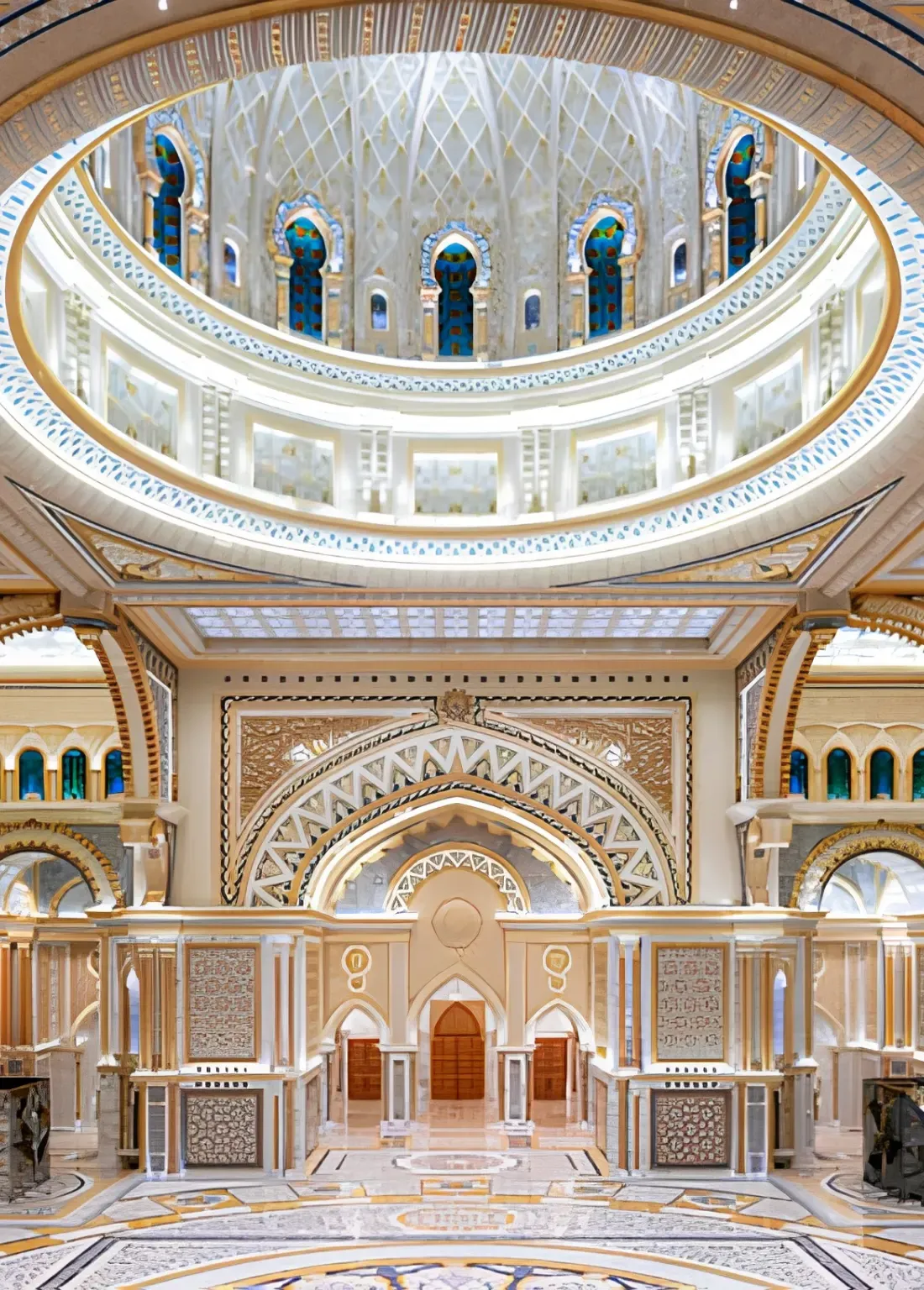
• Qasr Al Watan (planned cultural visits)
COMMUNITY EVENTS: WHAT PEOPLE FOLLOW THROUGH THE YEAR
Residents often attend citywide events hosted around Downtown venues and Corniche areas. These may include festivals, exhibitions, and public gatherings, depending on seasonal schedules
LOCATION & ACCESSIBILITY: COMMUTE TIMES TO KEY SPOTS
Commute planning shapes daily comfort. Al Manhal’s central positioning reduces travel friction for many routines, including school runs and clinic visits. Traffic still changes outcomes, so residents plan around peak windows.
DISTANCE TABLE: AIRPORT, SAADIYAT, YAS, DOWNTOWN
Travel times from Al Manhal usually stay manageable because the neighbourhood connects into central roads quickly, so most key destinations remain direct to reach with standard day planning.
| Destination | Approx. Distance (km) | Typical Route Style | Travel Pattern Notes |
|---|---|---|---|
| Abu Dhabi International Airport | ~30–35 km | Main city arterials towards airport corridors | Direct drive, traffic varies |
| Saadiyat Island | ~10–15 km | Central connectors towards Saadiyat routes | Smooth off-peak |
| Yas Island | ~25–30 km | Highway links | Direct, peak windows affect flow |
| Downtown Abu Dhabi | ~3–6 km | Internal routes | Short travel for services |
| Abu Dhabi Corniche | ~4–7 km | Central roads to waterfront | Easy for evenings and weekends |
For best results, residents usually plan around peak traffic windows and confirm routes in advance when heading to the airport or island districts.
CONCLUSION
Al Manhal suits buyers who want central access while keeping a residential setting. It supports family routines, professional commutes, and daily convenience near malls, hospitals, parks, and the Corniche corridor.
If you want a shortlist of suitable homes, a rental strategy, or an investment view based on your budget and holding plan, Relaam can guide you with local context and a structured process. Speak with Relaam to move from browsing to decision-making, using this Al Manhal Area Guide as your starting point.